Turning The Criterion Into New Haven’s Cinematic Listening Room
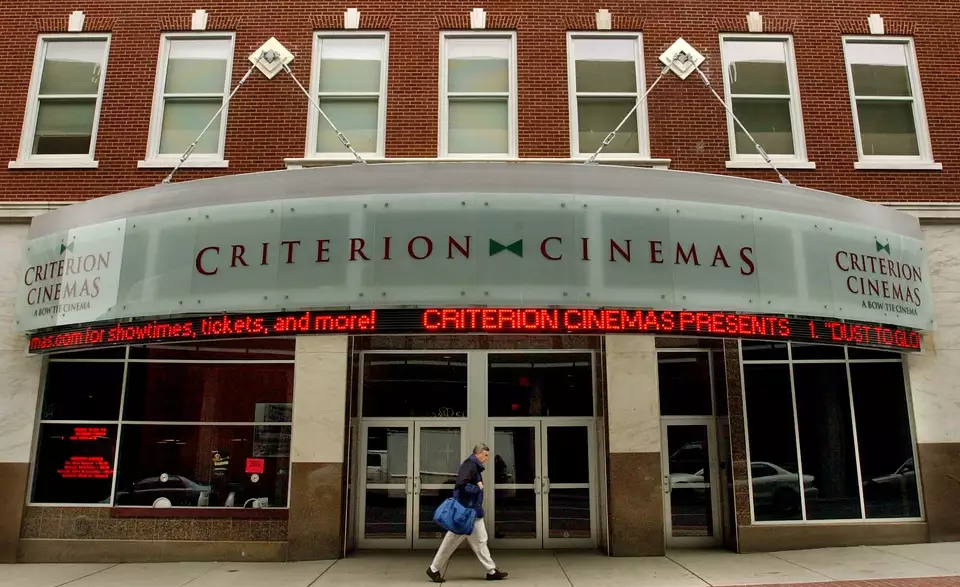
Repurpose a closed indie theater into a place to hear albums the way they deserve: loud, dark, uninterrupted, and a little nerdy.
Quick Stats
- Location: Downtown New Haven — The Criterion Theater
- Category: Arts & Culture / Venue / Audio Events
- Stage: Concept — needs founder / operator
- Capital Intensity: Medium (venue partnership + audio tuning + light buildout)
- Complexity: Small team / multi-partner
- Time to First Event: ~3–6 months if partnerships line up
- Bootstrap Path: Start with pop-up listening nights at existing venues (e.g., Spruce Coffee), then pilot a mini-series at the Criterion
If you’ve walked down Temple lately, you’ve seen it: the Criterion is dark.
For years, it was where you went to watch weirder films, smaller films, Oscar bait, anything that wasn’t superhero franchise #17. It was one of those spaces that quietly made downtown feel like an actual city instead of just a delivery zone for DoorDash and postdocs. Now it’s dark, a big cultural lung just…not breathing.
What that leaves us with is a pretty familiar pattern: fewer reasons to be downtown at night that aren’t bars or giant blockbusters, a ton of people who live, work, and study here saying they want “more culture,” and a huge building that already knows how to host a room full of humans sitting quietly in the dark. Meanwhile, nationally, a different kind of night out is taking shape—listening bars, deep-listening rooms, vinyl clubs, curated album nights where the whole point is to sit down and pay attention to a record front to back. Less “screaming over a PA,” more “can we actually hear this?”
New Haven is absolutely the kind of place where people would buy a ticket to sit in a nice room and experience an album with context and a drink in hand. The Criterion could be the home for that.
The Concept
Working title: The Criterion Listening Room. We can do better, but we’ll start there.
The idea is simple: a weekly or twice-weekly series where one album gets the full movie-theater treatment. Think big screen for visuals, liner notes, and archival photos; properly tuned sound; and a lightly nerdy talk before and/or between sides.
Picture a typical night. You buy a ticket in advance for “Miles Davis – Kind of Blue at the Criterion.” You show up early, grab a drink or a coffee, and find your seat the same way you would for a film screening. A host and a guest—maybe a local professor, musician, or critic—give a short intro. Where this album came from. Why it mattered. What was happening in the world when it was recorded. What to listen for if you’ve heard it a hundred times, and what to listen for if you somehow haven’t.
Then the lights go down, the phones go away, and the album plays all the way through on a serious system. Maybe there are short pauses between tracks or sides for questions, commentary, or a quick story, depending on the record. When it’s done, people spill back into the lobby, talk about what they heard, argue about their favorite tunes, browse a small table of related books or records, or just quietly judge each other’s taste.
The same format works across different albums and genres: classic jazz one week, a pivotal soul or rock record the next, maybe a modern album with the artist joining remotely or in person at some point. It’s part film screening, part lecture, part “I’m actually going to sit down and listen to this record tonight” experience—which, let’s be honest, most of us usually replace with cleaning the kitchen and scrolling our phones.
Why This Belongs in New Haven
This isn’t a generic concept that could just as easily live in Dallas or Denver. It’s especially suited to New Haven.
We are drowning in universities: Yale, SCSU, UNH, Gateway, Quinnipiac. That’s an endless pool of people who teach music, history, American studies, African American studies, film, media, and pretty much every other discipline you’d want in the room for a deep dive into Kind of Blue or To Pimp a Butterfly. Half of them already have a full annotated lecture in their head on these albums—they’re just doing it in classrooms instead of in public.
We already have an arts ecosystem. There are festivals, galleries, music schools, and performance organizations here that this could plug directly into: Arts & Ideas, the New Haven Symphony, Yale School of Music, college radio, and so on. The Criterion sits in a walkable downtown on transit, which means people can drift over from dinner, class, or the train without needing a parking strategy that looks like a military operation.
And then there’s New Haven’s personality. This is a city full of people who like overthinking things, being a little nerdy about culture, and having excuses to go out that aren’t just “another bar.” A listening theater slides neatly into that identity—almost suspiciously well.
Who This Is For
This isn’t meant to be “for everyone.” The point is to build something that’s very for the people who do show up.
Core audience number one is music nerds and audiophiles: people who care about sound, liner notes, and the story behind the record. Then you’ve got grad students, faculty, and staff who actually enjoy learning things in public and will happily spend a Tuesday night getting way too deep into a single album. Add downtown residents who want an alternative to “Netflix and scroll” and now you have the beginnings of a community.
Around that, you get the date-night crowd who want something that feels grown-up and intentional, people visiting New Haven for the weekend who want a “local thing” to do that isn’t just pizza tourism, and alumni in town for reunions or events who are always looking for something to plug into. On the institutional side, you can imagine departments hosting themed nights tied to course material, record labels using the space for listening parties around reissues or new releases, and local festivals using the theater as a venue for special programs.
If you’ve ever said, “I wish there were more things to go to in New Haven that don’t involve loud cover bands or yelling over a DJ,” you are absolutely the target.
How It Makes Money
This is not a charity project, and it shouldn’t be. If it works, it needs to work well enough to become a stable part of the city’s cultural ecosystem.
The simplest revenue engine is tickets. Single-night tickets for a featured album might land in the $20–$35 range, depending on the event. On top of that, you can sell series passes—something like a “Fall Jazz Season” that bundles six albums over three months, or a thematic series pass around a genre or era. Layer in memberships: yearly or seasonal memberships that offer discounted tickets, early access to events, and maybe a couple of member-only nights.
The venue itself can contribute too. If the theater supports bar service, beer, wine, simple cocktails, and good non-alcoholic options make sense. If not, partnerships with nearby restaurants and bars can create “ticket + drink” or “ticket + dinner” packages that spread the value around the block.
There’s also the secondary stuff: themed posters for each event, limited prints of the artwork, maybe vinyl or books tied to the albums. Sponsorship from local businesses, arts organizations, or labels could underwrite series or one-off events. And then there’s the private-event side: alumni groups, companies, or departments could rent the space for custom listening nights built around their own themes.
On a very rough napkin, if you seat somewhere between 80 and 150 people in one auditorium, charge $25 per ticket, and run four events a month, you’re looking at about $8–$15k in ticket revenue before you touch memberships, bar, merch, or partnerships. That’s not “buy an island” money, but it’s plenty to justify real effort—especially as part of a broader program of events at the theater.
What It Takes to Start
This is not “one person with a Spotify account and good intentions,” but it’s also not a $50 million startup.
At minimum, you need a lead operator or organizer—someone who owns the calendar, handles partnerships, and makes the nights actually happen. Around that person, there’s a rotating cast of guest speakers: professors, musicians, critics, or local weirdos with forty years of context on a specific album. You also need technical support from someone who cares about sound and doesn’t think “just use Bluetooth” is a strategy.
On the partnership side, the big piece is the theater owner or landlord. You need a lease, a recurring rental arrangement, or some sort of revenue share that works for everyone. Universities and arts organizations are natural partners here; departments can co-sponsor series or bring in their own speakers. Local businesses—especially restaurants and bars—stand to benefit from pre- and post-event traffic and could collaborate on ticket packages or specials.
Capital and timeline are flexible. On the modest end, you could bootstrap a short pilot series in one auditorium using existing infrastructure and a bit of rented or borrowed audio gear. On the more ambitious end, you could build toward a full upgrade of audio and lighting and a robust programming calendar. The sensible path is probably: start with a three-night pilot (three albums, three guests, limited seating, see who shows up), and if that sells and feels good, build toward seasonal schedules and bigger investments.
How to Bootstrap This Without Betting the Farm
Before anyone signs a lease, buys gear, or starts fantasizing about a membership program, this idea should be tested in the lowest-drama, lowest-cost way possible. The good news is New Haven already has a bunch of spaces that basically do “people sitting quietly in a room with a sound system” as part of their normal life. We don’t need the Criterion on day one to prove the point.
A very clean first move would be to run a pop-up version at a place like Spruce Coffee on State Street. They already host events, they already have a sound system, and the crowd there is exactly the mix you want: music-curious, culture-friendly, and not allergic to sitting still for 45 minutes. You go to them with the pitch: “We want to try a small listening night here—one album, a short intro, lights down, phones away. If this works, the longer-term dream is to scale it into a real listening theater at the Criterion.” That framing matters. Nobody feels like they’re signing up for a forever commitment. They’re just hosting one good night.
You run the first one dead simple: pick an anchor album (like Kind of Blue), do a short contextual intro, play the record straight through, and then hang afterward. But the real value of the pop-up isn’t just ticket revenue—it’s feedback. You explicitly ask attendees what worked and what didn’t. Was the intro too long? Too short? Did they like breaks between tracks or did it ruin the flow? Would they come to this again? How often? What albums would they pay to hear in a room like this? Would a series pass make them more likely to commit? You treat the first few nights like a living product prototype. Every answer becomes fuel for tightening the format before you ever step into the Criterion.
If the Spruce-scale tests go well, you can ladder up: other coffee shops, small venues, maybe even a university partnership where you borrow a lecture hall with decent sound for a “season zero.” The goal is to build proof that this isn’t just a cool idea people compliment and then forget about. You want actual butts in seats, repeat attendance, and clear signals about what the New Haven version should look like.
There’s also a second bootstrap path that might be even cleaner if the Criterion owners are game: test it in the theater itself without pretending it’s a permanent commitment. A mini-series—three nights, three albums, guest speakers sourced locally. Call it a pilot residency. You frame it as a low-risk way to see if the room wakes up for something besides movies. If the events sell, great: now you’ve got real demand evidence and a landlord who already saw it work in their building. If they don’t sell, you just learned something valuable for the cost of a short run, not your sanity.
Either way, the strategy is the same: start small, make it real, listen to the people who show up, and let New Haven tell you what version of this idea it actually wants. Then you earn your way to the bigger stage.
How This Could Go Sideways
It’s fun to imagine a packed house nodding along to Kind of Blue, but there are real ways this can flop.
The first is the classic gap between “I’d totally go to that” and “I actually bought a ticket.” People love the idea of “more culture” in abstract. In practice, it’s Tuesday, it’s raining, they’re tired, and suddenly Netflix wins again.
Then there’s licensing and rights. You can’t just press play on any album in a public, ticketed setting and assume it’s fine. The legal side is absolutely solvable, but not with zero effort or cost. There’s also the economics of a big room: if you’re renting or doing a revenue share on a large venue, you can’t run five half-empty events in a row and feel good about it. Finally, you have the niche vs. broad dilemma. If you go straight to “Mid-70s free jazz night, part 4,” you might be playing to eleven people and a ghost. If you water everything down to “albums everybody vaguely recognizes,” you risk losing the distinctiveness that makes this worth doing.
The design responses are pretty straightforward. Start with anchor albums people actually know and care about—Kind of Blue, Rumours, Blue, What’s Going On, etc.—to build a base. Once there’s a habit and a community, introduce deeper cuts and nerdier themes. Bundle events into mini-series so people commit ahead of time instead of making a game-time decision based on the weather. Use student pricing and university partnerships to lower the bar for early nights and fill seats even if the broader market is still catching on.
Variants and Spin-Offs
If the core idea works, it naturally branches.
You can run themed series: “New Haven & Jazz” for albums with direct or indirect ties to the city; “Albums That Changed Film” focusing on soundtracks and scores; “Hip-Hop Canon” with local emcees or producers as guests. You can do hybrid nights that pair a short film or documentary with the record it’s about, or play the album and then bring out a live band to reinterpret one or two tracks.
You can host community nights in a smaller room—“bring your own album” salons where attendees propose the next feature—or student-curated nights programmed as part of classes or campus clubs. Over time, this stops being a scattered series of one-off events and starts feeling like a cultural fixture: a place where New Haven goes to hear the canon, argue about it, and maybe fall in love with some obscure ECM record along the way.
How to Plug In
If you’re reading this and thinking, “I know who owns the Criterion” or “I teach/play/write about music and would absolutely give one of those talks,” or “I run a venue/bar/restaurant and want in on this,” or even “I would seriously consider co-founding or funding a pilot series,” then you’re exactly who this idea is talking to.
Member discussion